


.png?sw=2000)
- Nappy rash causes and concerns
- Signs and symptoms of nappy rash
- Treatment for nappy rash
- Severe nappy rash treatment & support
- Discover Baby Cicaplast Baume B5
What causes nappy rash
Nappy rash is a common skin condition, often caused by irritation from moisture, friction or wearing a nappy
for too long. The skin on your baby’s bottom and around their genitals may look red and irritated, and in
some cases of severe nappy rash, it can appear blistered and start to weep.
Some nappies, wipes or skincare products can aggravate sensitive skin and make irritation worse, so it’s
important to use gentle, fragrance-free skincare products that protect and care for your baby’s delicate
skin.
Common nappy rash triggers include:
- Prolonged contact with wet or soiled nappies
- Friction from tight-fitting clothes or nappies
- Harsh soaps, fragranced wipes or detergents
- Changes in diet affecting your baby’s stool consistency
- Teething
- Fungal or bacterial infections
The NHS guide to nappy rash offers further advice on caring for your baby’s skin.
 Signs of nappy rash
Nappy rash is usually easy to spot, especially as frequent nappy changes throughout the day mean you’ll
quickly notice any changes to your baby’s skin.
Signs of nappy rash can often look like:
- Red, irritated patches covering part or all of the genitals
- Raised bumps that look like spots
- Blisters that can start to weep
- Scaly or dry skin
- Skin that is hot to the touch
- Your baby seems distressed and uncomfortable
Learn more about what causes rashes and how to spot the signs of nappy rash on your baby’s delicate skin.
How to treat nappy rash at home
Sensitive skin on a baby’s bottom needs gentle, consistent care. With the right skincare routine, you can
help soothe irritation and restore comfort in just a few days.
If you’re wondering how to treat nappy rash, follow these tips to keep your baby’s skin protected and free
from irritation:
Frequent nappy changes
Keep on top of nappy changes throughout the day and during the night to keep your baby’s skin dry, preventing prolonged contact with urine or faeces. This simple step is one of the most effective forms of nappy rash treatment and can prevent nappy rash from developing into a more serious condition.
Nappy-free time
Let your baby enjoy some time without their nappy on. Air their bottom during playtime or naps to help the skin heal and reduce friction. If you’re worried about leaks, put a towel underneath them or fasten their nappy loosely around them instead.
Choose gentle skincare products
Look for gentle, fragrance-free skincare products and baby wipes that are water-based and free from alcohol, soap and harsh detergents. These mild, skin-friendly options help protect your baby’s delicate skin while keeping it clean and comfortable.
Apply supportive barrier creams
Barrier creams work by creating a protective layer over your baby’s skin, shielding from friction and
moisture. Barrier creams are most effective when a small amount is applied at each nappy change, working to
keep the skin soft and comfortable. Choose creams with ingredients such as panthenol or zinc, which help to
soothe and calm aggravated skin.
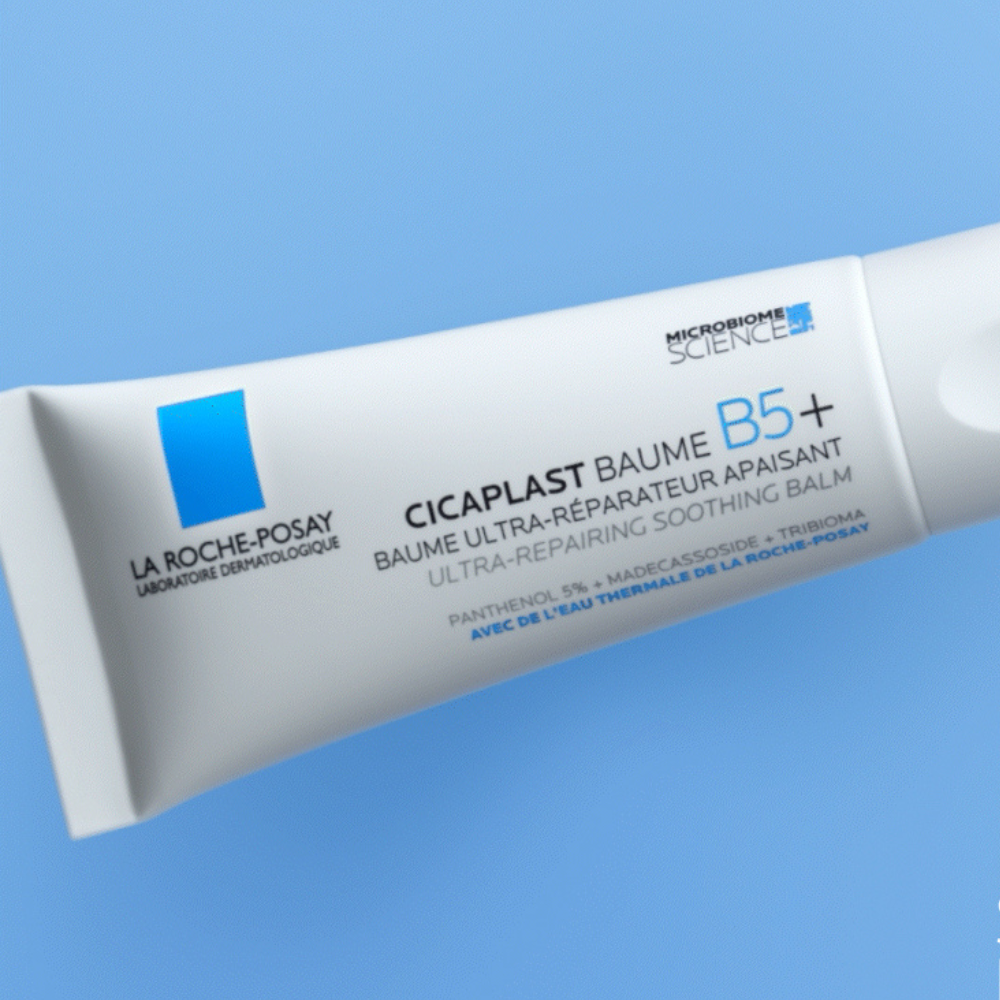
Try our Baby Cicaplast Baume B5 with its 5% panthenol
and zinc formula for a gentle, restorative barrier
that helps support your baby’s natural skin recovery. Suitable from +3 months, its antibacterial formula
soothes and calms a wide range of irritations, such as cradle cap, eczema flare-ups and of course
nappy
rash.
Watch for skin irritants
Nappy rash isn’t always caused by moisture alone, sometimes it can happen when your baby is teething due to
the increased volume of saliva affecting their digestion, or from certain products and materials irritating
their skin.
Look for mild cleansers and opt for breathable fabrics that are softer and kinder on the skin.
When to seek medical help for severe nappy rash treatment
Most nappy rashes are mild and can be managed with the use of baby-specific cleansers and barrier creams. The
trick is to get the skin to heal before it breaks, as if it’s left to worsen, it could get infected and take
longer to restore.
Skin expert, Dr Carla Stanton says “in rarer cases, babies can be prone to nappy rashes due to eczema and
other skin conditions.”
If the rash persists or becomes worse with blisters that weep or bleed, consult a doctor or a dermatologist
for professional severe nappy rash treatment.
Discover Baby Cicaplast Baume B5
When it comes to caring for your baby’s skin, choosing products that soothe and protect is key.
Baby Cicaplast Baume B5 is specially formulated
with
skin-restoring ingredients and, when used alongside
supporting products like our Cicaplast Pro-Recovery
B5
Soothing Gel, you can create a daily skincare routine
for your baby that nurtures and shields delicate skin.
Baby Cicaplast Baume B5 is specially formulated with skin-restoring ingredients for you to create a daily skincare routine for your baby that nurtures and shields delicate skin.
Nappy Rash FAQs
Sources:
https://www.nhs.uk/baby/caring-for-a-newborn/how-to-change-your-babys-nappy/
https://www.ncbi.nlm.nih.gov/books/NBK559067/
https://www.nhs.uk/conditions/atopic-eczema/
https://www.nhs.uk/baby/caring-for-a-newborn/nappy-rash/
https://www.wmic.wales.nhs.uk/wp-content/uploads/2023/07/CAS-PIL-Nappy-Rash-v4-20.07.23.pdf
On the same topic

Does Retinol Help Wrinkles?
Does Retinol Cause Purging?


.png)
.png)