


This article will cover:
- Common causes of itchy skin
- Why is my skin itchy at night?
- How to soothe itchy skin
- When to see a doctor
Common causes of itchy skin
There are a few different reasons for itchy skin and understanding the cause of yours is an important part of managing it. If you aren’t sure of your triggers, start to keep a skin diary to better understand your skin and its sensitivities.
The skin becomes dry when its protective barrier is compromised and it doesn’t hold onto water effectively. This barrier can be affected by factors such as very hot or cold weather, central heating, harsh cleansers or not protecting the skin with topical moisturisers. When the skin becomes dry, it can also become itchy and more sensitive.
Atopic skin conditions such as eczema, psoriasis, and contact dermatitis are characterised by underlying inflammation in the body. A prominent shared symptom across these conditions is itchiness, primarily because they lead to a disrupted skin barrier, making it challenging for the skin to retain moisture and resulting in increased trans-epidermal water loss. These types of conditions need to be managed with the help of a doctor or dermatologist who can provide proper diagnosis and, in some cases, prescribe specialised skincare or medications. Alongside professional treatment, it is vital to maintain a consistent, gentle, and highly hydrating skincare routine with over-the-counter products, such as those from brands like La Roche-Posay, to support the skin barrier.
Many allergies such as hayfever, pet hair, certain foods such as dairy, materials such as latex, fragrance in skincare, or the sun can cause the skin to itch and become uncomfortable. Many people with allergies to everyday irritants such as hay fever combat this by taking antihistamines and also ensuring the skin barrier is protected with a hydrating skincare routine. If you aren’t sure of a specific allergy but have regular skin reactions, you may want to consider taking an allergy test. This could be very beneficial in managing and preventing your itchy skin.
Many underlying health conditions such as liver disease, anemia, diabetes, stress/anxiety, the menopause and pregnancy can all be responsible for making the skin itch. It is advisable to speak to your doctor about your overall condition and why it causes skin itching to understand it better.
Many allergies such as hayfever, pet hair, certain foods such as dairy, materials such as latex, fragrance in skincare, or the sun can cause the skin to itch and become uncomfortable. Many people with allergies to everyday irritants such as hay fever combat this by taking antihistamines and also ensuring the skin barrier is protected with a hydrating skincare routine. If you aren’t sure of a specific allergy but have regular skin reactions, you may want to consider taking an allergy test. This could be very beneficial in managing and preventing your itchy skin.
Many underlying health conditions such as liver disease, anemia, diabetes, stress/anxiety, the menopause and pregnancy can all be responsible for making the skin itch. It is advisable to speak to your doctor about your overall condition and why it causes skin itching to understand it better.
Why is my skin itchy at night?
If your skin becomes itchier at night, you aren’t alone and many people with atopic skin conditions find that symptoms worsen as they try to sleep. This is thought to be down to a few factors such as increased blood flow and body temperature, bedding or pyjamas that are too warm or irritating on the skin, and allergens in the atmosphere.
This can be incredibly frustrating for those that suffer with it and new research published by the British Journal of Dermatology revealed that 41% of people with long-term itchiness have fatigue, likely due to persistent sleep disruption.
If you suffer with itchy skin at night, try to make sure you wear cool nightwear and wash your bedding in non-biological detergent to avoid irritation on the skin. You should also keep your bedroom at a comfortable temperature and apply soothing moisturisers before bed to ease any initial itching.
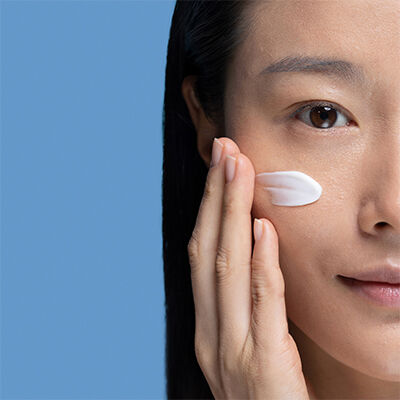 How to soothe dry, sensitive and itchy feeling skin
While itchy skin can be incredibly uncomfortable, there are many ways you can ease and prevent your symptoms.
•Showering with cooler water
Hot water can compromise the skin barrier and cause inflammation that can lead to itching. Try to shower or bathe in lukewarm water and moisturise the skin straight after.
•Keep the skin moisturised
Moisturising your skin with gentle fragrance-free products will help to soothe it and also help to strengthen the skin barrier. The skin barrier helps to retain water in the skin and protect it from irritants.
•Applying targeted creams and lotions
Whether you have dry skin, eczema-prone skin, or allergies, applying targeted creams and lotions can help you manage any related itchiness. Barrier cream such as La Roche-Posay Cicaplast Baume B5+, for instance, is clinically proven to soothe dry, irritated skin and repair the skin barrier. Cicaplast Pro Recovery B5 Soothing Gel can also help to soothe areas of itching skin.
•Wearing non-irritating fabrics
Some fabrics can make skin itching worse such as tight Lycra, spandex, rayon, or wool. When your skin feels really uncomfortable, wear loose, lightweight clothes in soft fabrics that don’t cling to the skin.
•Protect skin from the sun
As the sun is a known aggressor that can irritate the skin and cause skin damage or rashes, you should protect the skin from it with clothing and high-protection broad-spectrum sunscreen. It’s also advisable to seek shade whenever possible in strong sunlight and keep the skin as cool as possible.
•Stop itching and scratching
While itching the skin can feel very satisfying in the moment, scratching irritated skin can create an itch-scratch cycle. This means the itchiness will only get worse and you damage the skin in the process. This can lead to further inflammation and even infection. Avoid this by keeping your nails trimmed and getting into the habit of applying cream or a cold compress when itching strikes.
•Take antihistamines for itching caused by allergies
If your skin itching is caused by allergies, try to prevent it by taking antihistamines when you know you’re going to come into contact with the allergen (ie cat hair, or hayfever and pollen).
•Avoid blood-flow spiking food and drink
Many people find that foods and drinks such as alcohol, caffeine and spices can make their skin itching worse. This is believed to be due to the increased blood flow they cause in the body. Keep a food diary to try and identify potential triggers and avoid them where possible when your skin is very itchy.
•Avoid irritating products
Many everyday skincare products such as shower gel, hand wash, and even washing detergents can really irritate the skin if they contain added fragrance and chemicals. Avoid this by using gentle formulations and non-biological washing detergents.
When to see a doctor
If your skin itching is very persistent and isn’t soothed by applying over-the-counter creams and lotions, you should seek the advice of the doctor. This also applies if your skin itching keeps returning after a while or it begins to affect your daily life or come with other symptoms such as weight loss or fever.
Discover La Roche-Posay skincare to soothe itchy feeling skin caused by dryness
Dry, itchy feeling skin can really affect your day-to-life but there are solutions to not only soothe it immediately but prevent it in the future. Keep a skin diary to help understand your skin better and its personal triggers, and maintain a soothing daily skincare routine with hydrating and gentle skincare.
Soothe dry, itchy feeling skin by moisturising with creams, lotions and gels at laroche-posay.co.uk.
Itchy Skin FAQs
On the same topic

Does Retinol Help Wrinkles?
Does Retinol Cause Purging?


