


- What is azelaic acid?
- Where does Azelaic acid come from?
- What does azelaic acid do?
- Benefits of azelaic acid
- What skin concerns can azelaic acid help with?
- Can you use azelaic acid for acne?

What is azelaic acid?
Azelaic acid is a common ingredient in exfoliating skincare products. It has anti-inflammatory and antioxidant properties. Most people can tolerate Azelaic acid, which means they are less likely to feel it irritates their skin compared to other exfoliants that penetrate deeper into the skin. This makes it popular with dermatologists and skin experts to target a number of skin concerns.
 Where does Azelaic acid come from?
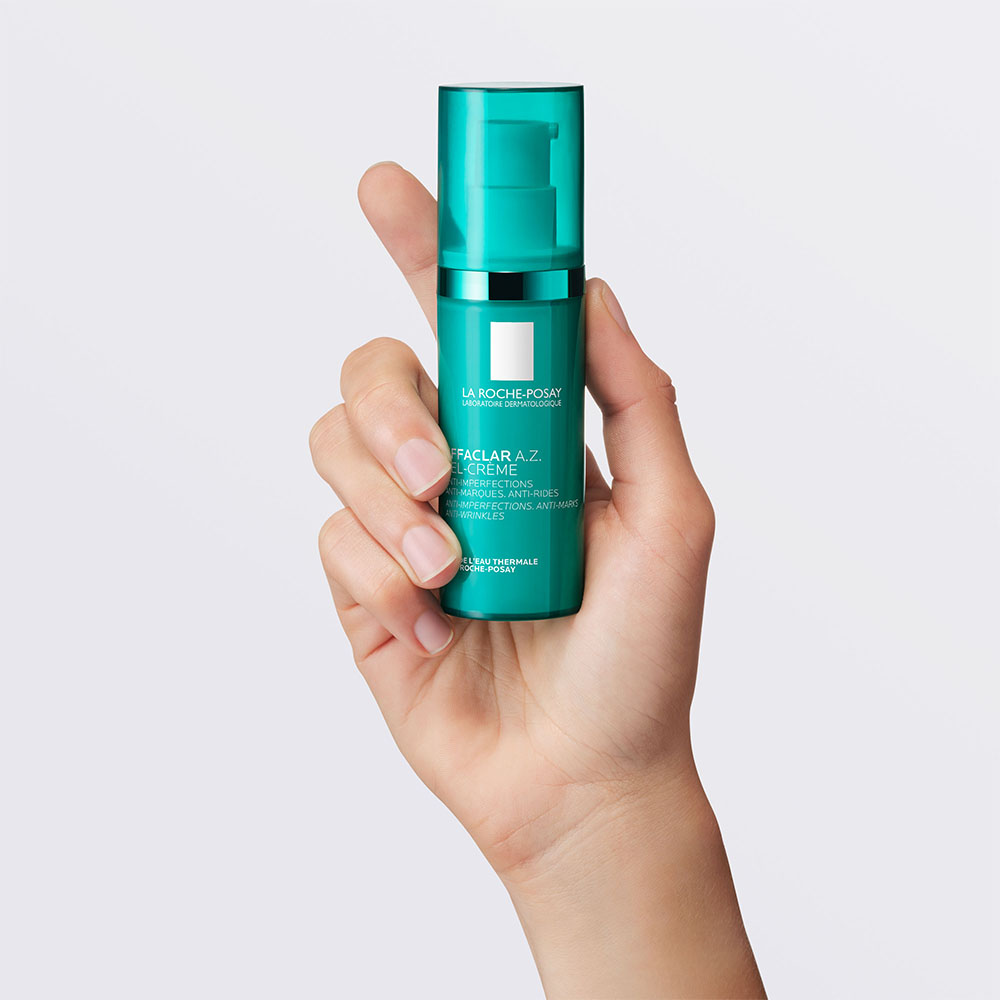
Azelaic Acid is a dicarboxylic acid that can be sourced from a natural fungus (yeast) found on human skin called Malassezia furfur (also known as Pityrosporum ovale). It can also be made in a laboratory from other natural substances such as wheat, rye and barley.
What does azelaic acid do?
Azelaic acid has anti-inflammatory properties, and it works by inhibiting tyrosinase, an enzyme which is involved in melanin production. Melanin is what gives your skin, hair and eyes its colour. So by inhibiting tyrosinase, azelaic acid helps reduce the production of melanin to reduce the appearance of dark spots and hyperpigmentation of the skin.
Studies have shown azelaic acid can be effective for inflammatory skin conditions including rosacea and dermatitis too.
For blemish-prone skin, azelaic acid can help to calm and fight bacteria that cause blemishes. This is due to its anti-bacterial properties, and can lead to a soothing effect on the skin.
UK Pharmacist Virginia Chachati says, “I recommend azelaic acid to people who tell me they often get blemishes. Starting off with something gentle like azelaic acid is less likely to irritate the skin. And for people who no longer need to use salicylic acid or glycolic acid, azelaic acid is a helpful step-down alternative to maintain their skincare treatment results. Be sure to only apply a small amount of azelaic acid, and give your skin time to recover if you feel any irritation. Do not use azelaic acid at the same time as other skincare exfoliants.”
Benefits of azelaic acid
There are many benefits of azelaic acid due to its anti-bacterial and skin-calming properties. This means it can be highly effective in fighting blemishes and reducing the red bumps caused by inflammation, as well as treating inflammatory skin conditions such as rosacea. It also has antioxidant properties that provide the skin with added protection against free radical damage.
Here is a summary of azelaic acid benefits:
- Anti-inflammatory properties, to help soothe dry, irritated skin
- Helps target persistent brown marks and hyperpigmentation, to reduce their visibility
- Fights the appearance of blemishes, for clearer looking skin
- Improves visible signs of ageing, such as wrinkles or hyperpigmentation
- Well tolerated compared to other exfoliants like salicylic acid and glycolic acid
- Anti-bacterial, so it helps reduces the growth of bacteria that may cause acne
- Soothing, for people with blemish-prone skin
“For any skin breakouts, Azelaic acid is an ingredient that is works really well, it’s effective but gentle and can also help with post-inflammatory pigmentation.” - Dr Justine Hextall, Consultant Dermatologist
What skin concerns can azelaic acid help with?
Azelaic acid is an ingredient which can target multiple concerns. From fighting the appearance of blemishes, to improving the visible signs of ageing, soothing and reducing the appearance of hyperpigmentation, it is loved by dermatologists and skin experts alike. It is also shown to be effective for other inflammatory skin conditions including rosacea and dermatitis.
 Can you use azelaic acid for acne?
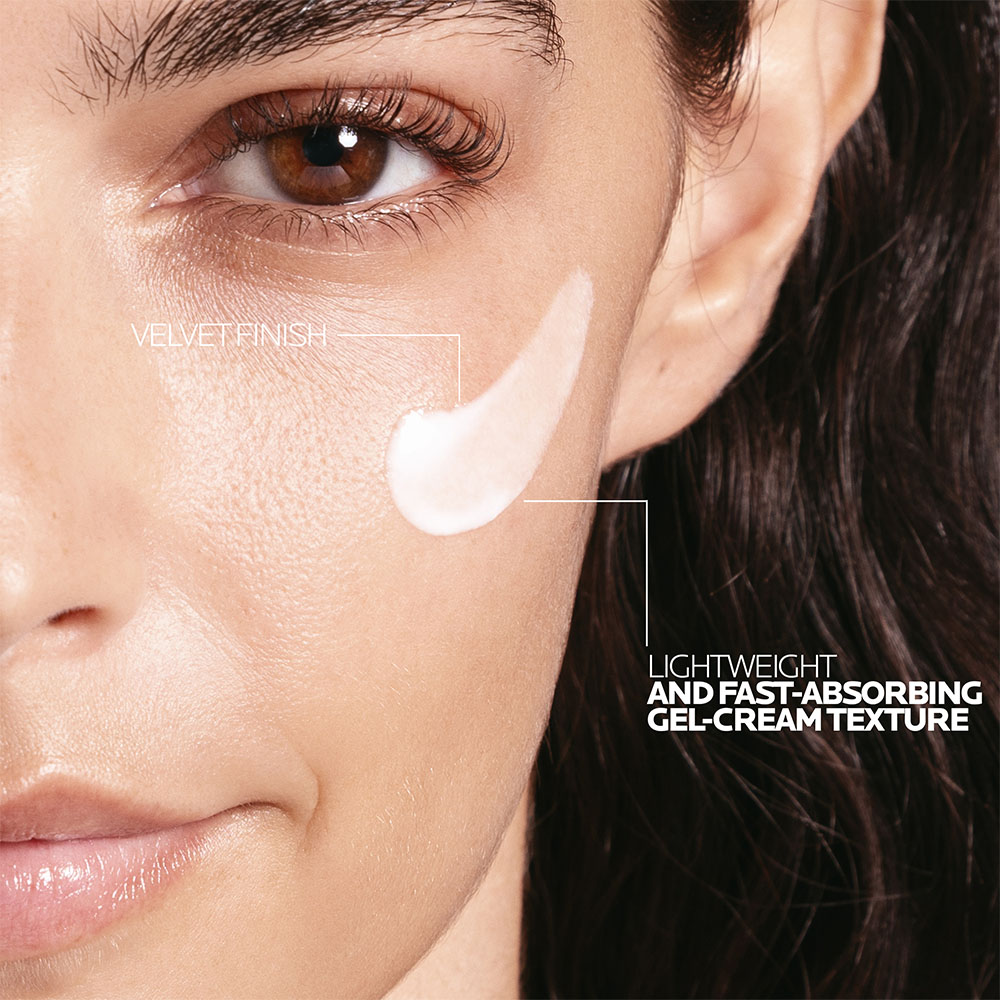
Yes, azelaic acid can be used to treat and improve breakouts due to its anti-inflammatory and antibacterial properties that help to kill existing bacteria in the skin. This means that not only does it help target existing breakouts, but it also helps to prevent future breakouts from occurring, which may be helpful for people who have acne-prone skin.

Want to learn more about azelaic acid?
Join a free online consultation to speak with a La Roche-Posay Skin Expert
BOOK NOWAbout Virginia Chachati MPharm
Virginia Chachati is a registered pharmacist with the UK General Pharmaceutical Council (GPhC) since 2014 and is PIF TICK certified. Chachati is a medical copywriter, creating evidence-based, accessible health information. Chachati has worked with the NHS, UKHSA, WHO, YouTube Health, and the Patient Information Forum (PIF).
On the same topic

Does Retinol Help Wrinkles?
Does Retinol Cause Purging?


