- Understanding Dark Spots
- Effective La Roche-Posay skincare routines for dark spot removal
- Spots on the Neck
- Professional Interventions for Dark Spot Removal
Understanding Dark Spots:
If you have darker areas of skin on your face, neck, chest or hands, it’s helpful to understand their cause. Here we explain three of the most common:
Post-inflammatory hyperpigmentation (PIH)
Post-inflammatory hyperpigmentation occurs after a minor injury to the skin and the affected area has healed. This leaves the skin looking slightly darker than before as an overproduction of pigment occurs. It’s common after a severe eczema flare up, acne scars, and sun damage. PIH can also be more prominent in darker skin tones.
Freckles
Freckles are usually most common in people with very fair skin and blonde or red hair. People with this colouring are usually genetically very sensitive to the sun. As such, when exposed to UV, their skin tries to protect itself by producing more melanin. An overproduction of melanin then leads to freckles appearing on the face and body.
Sun spots
Sun spots, also called solar lentigines, or liver spots, are areas of the skin that have been damaged by the sun and UV exposure over time. The skin darkens as a form of protection but often creates excess pigment which can leave behind very dark brown patches of skin. As such, they’re more common in mature skin that has been exposed to the sun for many years.
Melasma
Melasma is often referred to as the ‘mask of pregnancy’ as it commonly appears during gestation. While pregnant, a woman’s body is flooded with extra hormones such as progesterone and estrogen. This change can affect excess melanin production in the skin and leave darker patches across the forehead and cheeks. It often resolves itself after pregnancy but can become worse with sun exposure so a broad-spectrum facial sunscreen is essential. It can also be more prominent in darker skin tones.
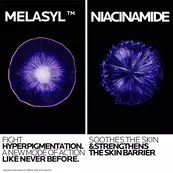
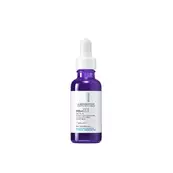
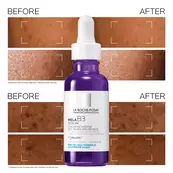
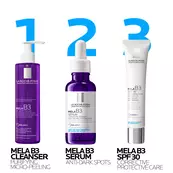
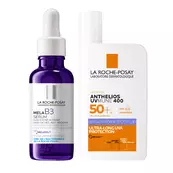
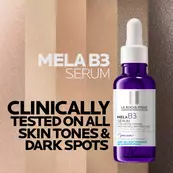
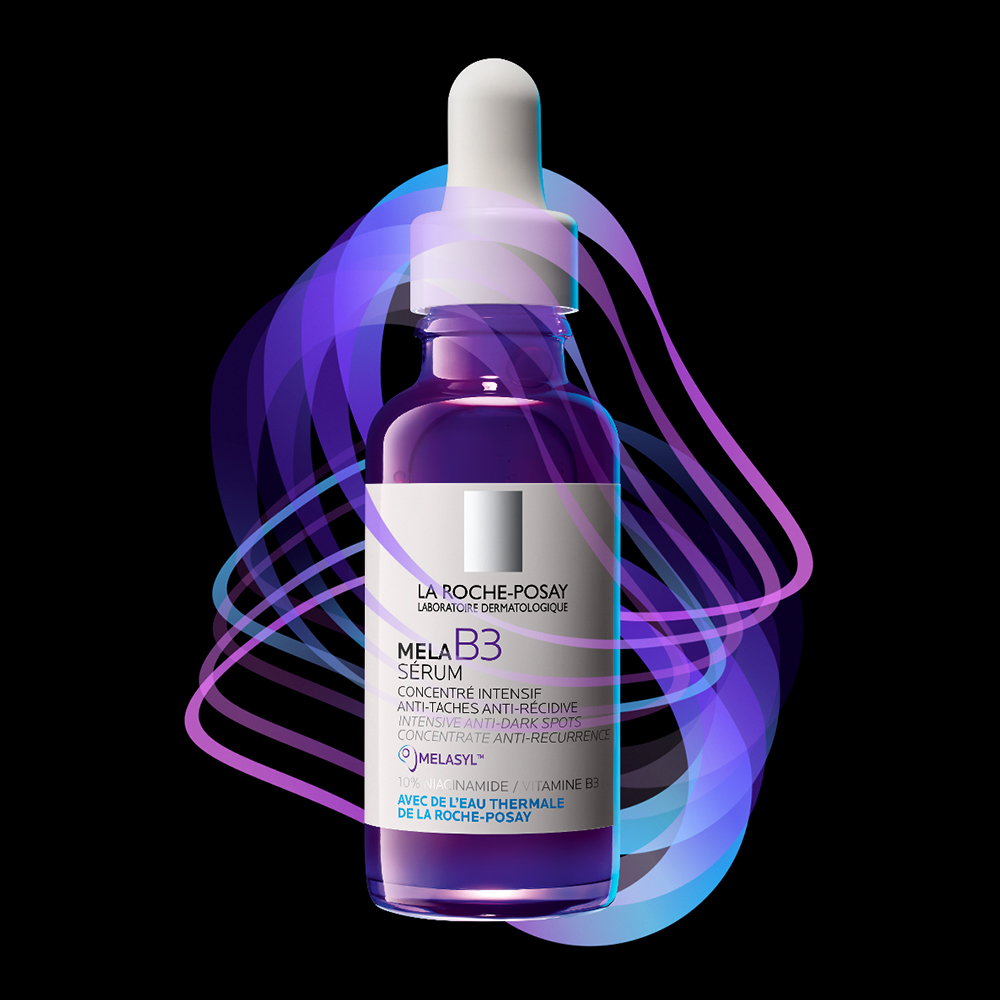
The low molecular weight of a serum delivers active ingredients that can help improve the appearance of dark spots directly to the skin. Co-developed with leading dermatologists and pigmentation experts, Mela B3 Serum helps to correct dark and stubborn marks, and prevent the appearance of future dark spot discolouration. Formulated with our multi-patented Melasyl™ ingredient - our active melanin trapper - and 10% Niacinamide, this serum creates a multi-action against hyperpigmentation while also soothing and strengthening the skin barrier.
Mela B3 is also suitable for those who may be prone to post-acne marks (post-inflammatory hyperpigmentation/ PIH), sun spots, and age spots. Dark Spots Clinically Reduced for 94%*
*50 subjects, instrumental measurement of size of overall area of dark spots after 12 weeks.
Step 3: Apply a corrective moisturiser
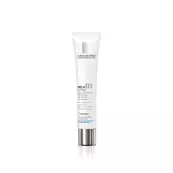
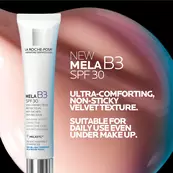
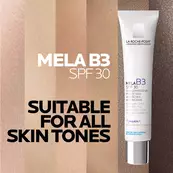
A moisturiser should be the third step in your routine, and will help to keep your skin barrier strong and healthy. Some moisturisers can also help to improve the look of dark spots such as La Roche-Posay Mela B3 SPF30 Moisturiser. This corrective moisturiser is formulated with our new patented molecule Melasyl™ and Pure Niacinamide to correct the look of even the most persistent of dark marks. It also contains SPF30 protection to prevent future dark marks from appearing and UV-induced ageing signs.
Step 4: Apply sun protection
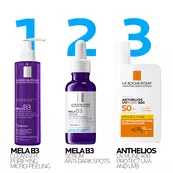
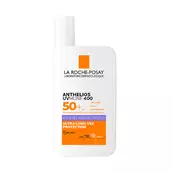
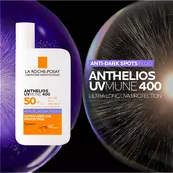
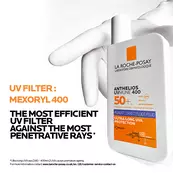
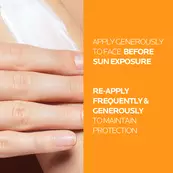
Your morning skincare routine should always end with a generous layer of broad-spectrum sunscreen. This will protect the skin from cumulative UV damage that’s present all year round and stop existing dark spots from worsening and future marks from appearing. La Roche-Posay Anthelios Anti Dark Spots SPF50+ offers exceptional protection with our exclusive filter MEXORYL400 that protects the skin against ultra long UVA*. Shop our routine for dark spots & hyperpigmentation.
Evening Routine
Your evening routine is essential for targeting dark spots as it’s an opportune time to apply dedicated products to the skin before you sleep. This rest time is when the skin performs a range of reparative functions and has the time to use active ingredients most effectively.
Step 1: Cleanse the skin to remove makeup, sunscreen and impurities
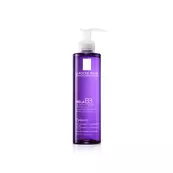
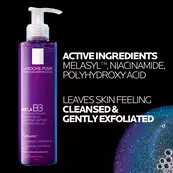
Cleansing the skin before bed removes makeup, sunscreen and impurities such as pollution from the skin. It also creates a clean canvas for the rest of the products in your night-time routine and allows them to penetrate the skin more easily. Use a product such as La Roche-Posay Mela B3 Cleanser for Dark Spots as this will not only effectively cleanse the skin but it will also help to improve the appearance of darker patches with a trio of ingredients including Melasyl™, Niacinamide and Poly-Hydroxy Acid (Gluconolactone). This will leave the skin feeling cleansed and gently exfoliated.
Step 2: Apply a corrective serum
The evening is an opportune time to apply a corrective serum as the skin performs lots of essential functions while we sleep. La Roche-Posay Mela B3 Pigment Control Serum, for instance, helps to reduce hyperpigmentation and dark spots - even persistent ones. It does this with a formula containing a multi-patented Melasyl™ ingredient - our active melanin trapper - with 10% Niacinamide (also known as Vitamin B3). Apply three to four drops to the face, neck and chest.
Step 3: Hydrate the skin overnight with a moisturiser
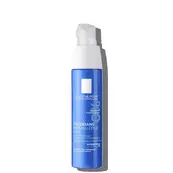
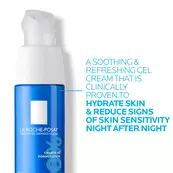
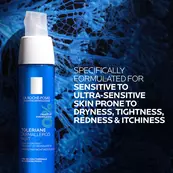
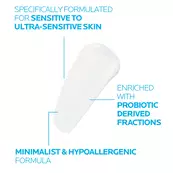
Hydration is incredibly important for skin health as it helps to keep the skin barrier strong and resilient. Use a gentle formula like La Roche-Posay Toleriane Ultra Night Cream to soothe and hydrate your skin overnight, preparing it for the next day.
Spots on the Neck
You may find that you have dark spots on the neck as well as the face and chest. As with dark spots on any area of the body, they’re caused by a range of factors such as sun exposure, post-inflammatory pigmentation or hormonal changes.
That’s why it’s important to not neglect the neck and chest when treating dark spots - especially when it comes to prevention. You can protect the skin in this area by ensuring you’re taking your targeted skincare down from the face to cover these exposed areas, ensuring you’re using brightening ingredients such as vitamin C, niacinamide, and melasyl. Importantly, you should also always apply a broad-spectrum sunscreen throughout the day.

Professional Interventions for Dark Spot Removal
Laser therapy
Medical-grade laser therapy is an effective way of removing dark spots and hyperpigmentation. Laser treatments work by targeting the darker patch of skin. The dark spot absorbs the light of the laser before heating it up and shattering the pigment. The pigment is then brought to the surface where it dries and flakes away or simply fades over time. This treatment can be used on the face and body but must always be carried out by an experienced professional.
Chemical peels
Chemical peels containing alpha-hydroxy acids such as glycolic and lactic acids should always be performed by professional clinicians and dermatologists. As they gently exfoliate the skin and accelerate skin-cell turnover, they’re very effective at improving skin texture and reducing hyperpigmentation and dark spots. You may need a course of treatments depending on the severity of your dark spots.
Your Path to a Clearer, Brighter Complexion
It’s important to remember that there’s no one size fits all answer for managing dark spots, so it’s best to speak to a dermatologist about creating a personalised plan for your specific concerns. A professional will also be able to analyse your skin and help you decide whether professional treatments are also necessary alongside a dedicated skincare regime.
Discover La Roche-Posay’s Mela B3 skincare range for dark spots here.


Want to learn more
about dark spots?
Join a free online consultation to speak
with a La Roche-Posay Skin Expert
Featured Products