


Overview
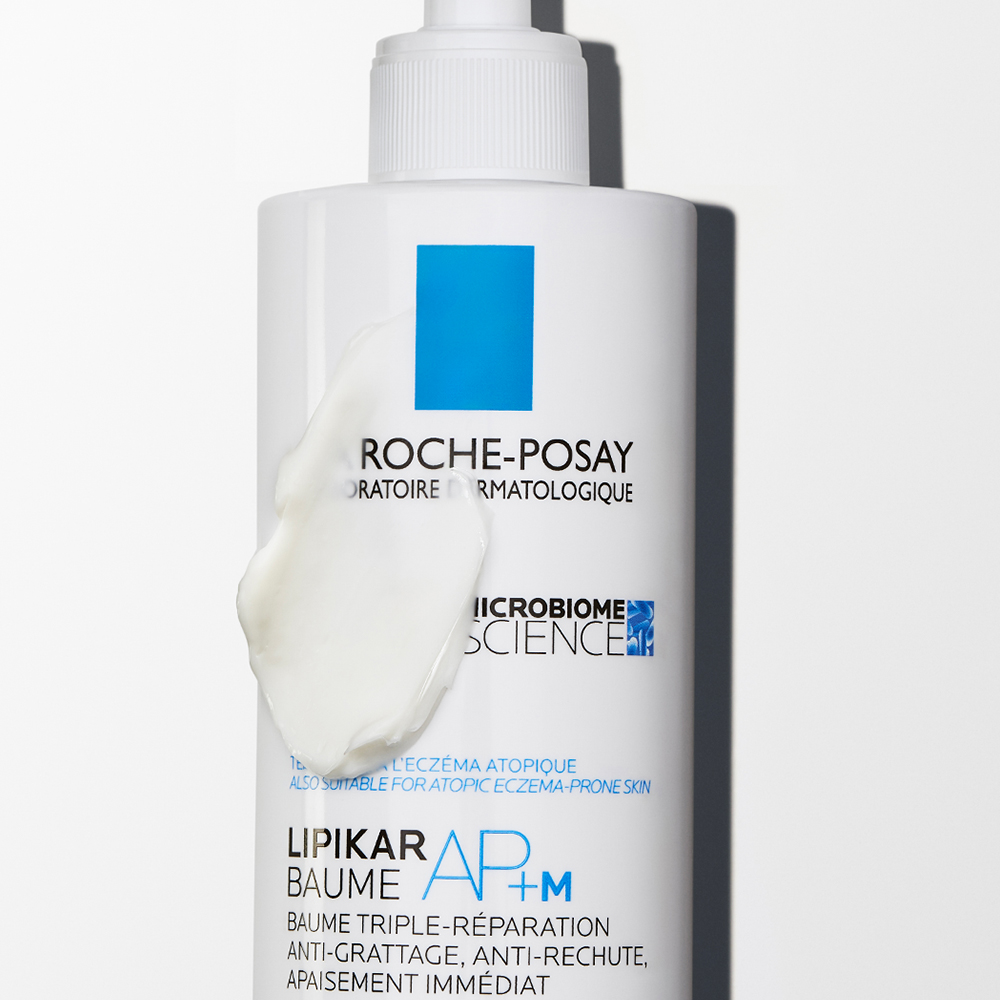
- Keep the skin well-hydrated with targeted skincare such as the Lipikar Baume AP+M
- Avoid irritants
- Choose comfortable clothing and fabrics
- Avoid scratching the skin
- Consider topical medication
- Keep your home free of dust mites
- Enjoy your sport but keep your skin clean
- Keep the temperature between 18 and 20 degrees Celsius
How can I recognise if I have atopic skin? Symptoms and characteristics
What are the causes of the appearance of eczema on the skin?
Evolution of eczema on the ski
Hygiene routine to relieve eczema on the skin
The best products for eczema on the skin
What does atopic skin mean?
Atopic skin is a chronic skin condition characterized by extremely dry, scaly, irritated, and recurrently itchy skin.
People affected by this unpleasant condition have a highly reactive immune system and are often prone to allergies such as asthma and allergic rhinitis. Atopic skin is naturally dry. Normal skin produces an oily layer to protect itself, whereas atopic skin does not. This function is known as the "skin barrier" or "barrier function of the skin”. Eczema-prone skin is, "naked," so some allergens from our environment can penetrate deep into the lower layers of the epidermis. These allergens stimulate the immune system, which then overreacts.
Atopic dermatitis occurs due to a dysfunction in the skin barrier, which makes the skin more susceptible to irritation and dryness. Adults and especially babies with atopic skin, often experience periodic discomforting flare-ups that can be triggered by factors such as stress, exposure to irritants, cold and dry weather, along with excessive sweating. Outbreaks can affect a person's quality of life, as the intense itching and redness can be very uncomfortable.
Although there is no cure for atopic skin, several effective treatments help control symptoms and protect against flare-ups.
How atopic skin affects the skin microbiome
Healthy skin is home to billions of beneficial microorganisms living on every square millimeter. Atopic dermatitis is associated with a decrease in the diversity of these microorganisms (such as bacteria, fungi, and archaea), known as the microbiome. Until now, we have tried to eradicate the microorganisms present in our bodies and on the surface of our skin. However, recent research has shown that these microorganisms constitute a balanced inheritance that interacts with our body to ensure it functions properly. When suffering from atopic eczema, the microbiome is not balanced.
Scientific research, including clinical studies by La Roche-Posay laboratories, has highlighted that simply restoring the skin's barrier function is not sufficient. It is also important to rebalance the skin's natural microbiome. This is because a compromised barrier often leads to an imbalance in the skin's microbial community, which in turn can further disrupt the barrier and fuel inflammation. To help the skin's microbiome regain its beneficial diversity and balance, it is advisable to use suitable products that promote the growth of bacteria beneficial to the skin.
How can I recognise if I have atopic skin? Symptoms and characteristics
Atopic skin is a chronic condition characterized by the development of annoying symptoms with periodic outbreaks that can make people's lives difficult. Here are the most common symptoms so that you can identify the problem.
- Extreme dryness of the skin.
- Itching and redness.
- Inflammation of the skin.
- Scales or crusts.
- Pain.
- Cracking and desquamation of the epidermis.
- Post-inflammatory hyperpigmentation
- Appearance of blisters or vesicles.
- Irritation and redness around the eyes.
- Increased sensitivity to irritating products or elements.
You may suffer from atopic skin if you have any of these symptoms. We recommend you to consult a dermatologist to have it checked out professionally so they can recommend the appropriate treatment.
Hand dermatitis
Atopic dermatitis on the hands can appear at any time and age. The immune system of people with this condition is hypersensitive and can overreact to common environmental factors, resulting in skin inflammation. In addition, due to its hereditary factor, people with relatives suffering from this type of dermatitis are more likely to experience it.
The symptoms of hand dermatitis can be aggravated by various factors such as lack of hydration, irritants such as detergents and chemicals, viral or bacterial infections, food allergies, unprotected exposure to colds, and stress. These factors can cause itching, rashes, cracks, and pain. Frequent moisturising with specific products for dry skin can alleviate discomfort.
Dermatitis on elbows
It is very common to suffer from dermatitis on the elbows, as this condition usually occurs in areas where the skin flexes. This type of skin eczema can cause itching, redness, scaling, and debilitating pain in severe cases.
The main causes of this type of dermatitis are: coming into contact with skin irritants such as detergents or harsh chemicals, allergies, dry and cracked skin, or friction from tight clothing and hard surfaces.
Dermatitis on arms
People with atopic dermatitis may also suffer from atopic dermatitis on the arms due to allergies, irritants, infections, or underlying medical conditions.
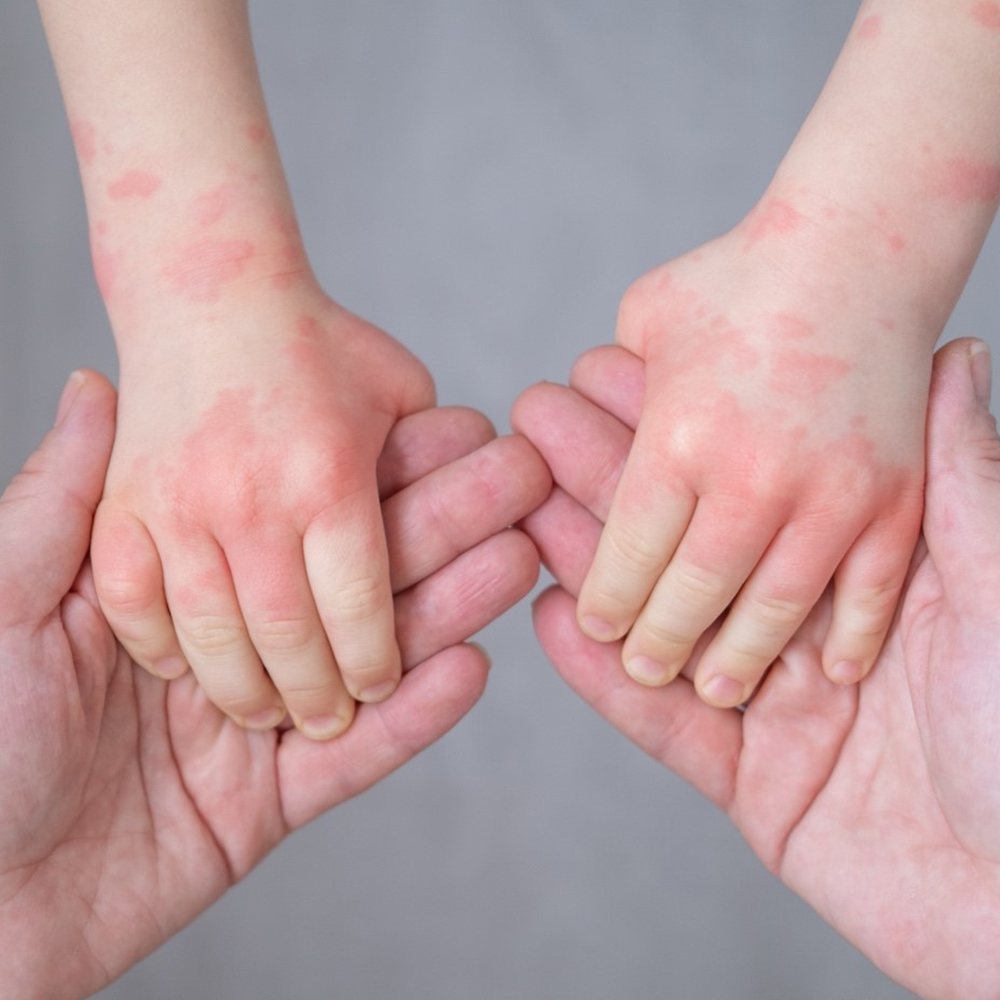
Dermatitis on the arms may present as redness and inflammation, intense and constant itching, dryness, scaling or cracking, swelling, and even fluid blisters. Despite the itching, it is crucial to avoid scratching, as this can lead to skin lesions that exacerbate dermatitis symptoms.
What are the causes of the appearance of eczema on the skin?
Eczema, also known as dermatitis, is an inflammation of the skin caused by a combination of genetic and environmental factors. Here are the most common causes of eczema on the skin:
- Genetics. People with a family history of atopic dermatitis, asthma, or allergies have an increased risk of developing this condition.
- Environmental factors. Allergens, such as pollen, mold, animal hair, and dust; irritants, such as soaps, detergents, and other chemicals; and temperature extremes can trigger eczema in some people.
- Hormonal changes. Hormonal changes, such as those that occur during pregnancy and menstruation, can affect the skin and trigger atopic dermatitis in some people.
- Stress. Stress can trigger eczema on the skin in some people, weakening the immune system and making the skin more susceptible to inflammation.
- Infections. While not primary causes of atopic dermatitis itself, viral, bacterial, and fungal infections are common triggers and significant aggravating factors for flare-ups. The compromised skin barrier and altered immune responses in atopic skin make individuals highly susceptible to these infections, which can then severely worsen inflammation, itching, and overall symptoms.
- Autoimmune disorders. Individuals with certain autoimmune diseases may have a higher risk of developing atopic dermatitis due to shared inflammatory pathways.
Evolution of eczema on the skin
Atopic dermatitis (atopic eczema) is a chronic condition that can follow different patterns of evolution depending on the individual. Here are the main stages a person with atopic skin may go through:
- Outbreak phase. In this phase, the skin affected by eczema becomes inflamed, red, and itchy, and a burning sensation may appear. There may also be blisters that ooze fluid, and the skin may be more sensitive or painful.
- Chronic phase. In the chronic phase, inflammation decreases, skin lesions become drier and scaly, and itching may continue. The skin may also become thickened and show pigmentation changes.
 Who is affected?
Although dermatitis can appear at any age, it is more common in the younger age groups. In addition, atopic dermatitis is more common in people with a genetic history, allergies, or asthma.
Atopic skin in infants
Atopic skin is a common condition in infants.
Factors that may contribute to the development of atopic skin in infants include genetics, climate, exposure to irritants, and food allergies. It may also be related to decreased skin barrier function and increased transepidermal water loss. Children with atopic dermatitis have a less resistant skin barrier function against external irritants, which makes the skin more vulnerable to environmental stresses. In addition, this barrier is less able to retain moisture due to its irregular structure, which favors transepidermal water loss, leaving the skin dry and more prone to developing itchy lesions.
The main symptom of atopic dermatitis is "pruritus" or itching, which affects the well-being of children. Frequent problems include sleep disturbance, mood swings, and permanent discomfort. When a child has atopic skin, the whole family suffers the effects, as it affects the quality of sleep of the little ones, and this, in turn, reduces the quality of life of their parents, negatively affecting their emotional state.
Atopic dermatitis in adults
Especially in adulthood, atopic dermatitis can generate discomforting symptoms that worsen the life quality of the affected person. In many cases, atopic skin does not cause complications.
It is vital for people suffering from atopic dermatitis to take steps to care for their skin, such as protecting their skin before contact with any with harsh chemicals, keeping their skin moisturised, and wearing loose, breathable clothing.
Tips for atopic skins
Although eczema is a condition that can be annoying and painful, many cases are managed effectively with relatively simple skincare routines and topical treatments, especially mild-to-moderate forms. Here are some recommendations that can alleviate the discomfort caused by atopic dermatitis:
- Keep the skin well-hydrated. Regularly moisturising the skin is the most effective treatment to reduce the symptoms of atopic dermatitis, and it is essential to look for products that are suitable for sensitive skin. Applying a moisturiser after showering can help prevent dryness and dehydration while keeping the skin soft.
- Avoid irritating substances. It is advisable to limit the use of products that can irritate the skin, such as soaps, detergents, hydroalcoholic gels, or aggressive chemical products for the skin. Using gently, specialised products is key.
- Protecting the skin from physical friction, irritants (like dish soap), and excessive sweating during activities is important for preventing flares and further skin damage. Wearing gloves for household chores is recommended.
- Avoid scratching the skin. This may be difficult, but it is important to avoid scratching during a dermatitis outbreak to prevent the irritation from worsening and potentially causing infection.
- Use of topical medication. If moderate or severe, it may be necessary to use a specific medication to treat this type of condition. You should consult your physician to find the product that best suits your needs.
- Keep your home free of dust mites. Atopic eczema is associated with very dry skin lacking the lipids that protect normal skin from external allergens, such as house dust mites. Vacuum regularly and ventilate the rooms in your home daily, especially the bedrooms.
- Enjoy your sport but keep your skin clean. If you play sports regularly, don't remain with sweaty skin for prolonged periods, as this can irritate you. After workouts, shower and use appropriate cream cleansers to moisturise the skin and rebalance its beneficial bacteria.
- Make sure to keep the temperature in the bedroom between 18 and 20 degrees Celsius: this will prevent the atmosphere from drying out too much. If you deem it necessary, get a humidifier. And, of course, apply the right emollient before going to sleep.
These are just some habits that can help soothe the symptoms of atopic dermatitis. However, combining these habits with specific products can effectively care for sensitive, reactive, or allergic skin.
Hygiene routine to relieve eczema on the skin
As mentioned above, to manage atopic skin and prevent the symptoms from worsening and impairing the quality of life of sufferers, it is advisable to have a good skincare routine that includes hydration as the main pillar.
Hygiene is vital for the treatment of atopic skin symptoms. However, if the symptoms become severe, especially during the flare-up phase, dermatologists may prescribe corticosteroid treatments to alleviate and reduce the damage caused by scratching.
Short baths
If you have atopic skin, it is important to focus on your hygiene routine to alleviate the symptoms and prevent the skin from becoming too irritated. It is advisable to avoid long baths and baths with hot water, as they can dry the skin and worsen the symptoms of eczema. Short, lukewarm baths using specialized products are recommended.
Mild cleaners
Another important aspect to pay attention to is which soap we use in the shower. Avoid soaps and cleansers that contain fragrances which can irritate compromised atopic skin, strip its lipids and worsen symptoms. Instead, look for mild, fragrance-free products specifically designed for atopic, reactive, or sensitive skin.
Do not rub
When distributing soap on the skin, rub the product in lightly to avoid irritating the skin or aggravating the symptoms of atopic dermatitis.
Hydration
Regular and frequent moisturising is essential to combat dryness, reduce itching cause by dryness, and support the skin barrier. Use a fragrance-free moisturiser after bathing and several times throughout the day if necessary. This will soothe skin and nourish the skin properly.
Moisturisers are vital as they help restore and fortify the skin's natural protective barrier, effectively limiting the entry of irritants and preventing moisture loss. For atopic-prone skin, these products should be applied generously all over the body, ideally once or twice daily, not only to hydrate and soothe, but also to support a balanced skin microbiome. This combined action significantly reduces dryness-induced itching and can contribute to preventing or limiting the duration of eczema flare-ups.
The best products suitable for eczema-prone skin
If you have dermatitis and need a product that helps relieve the uncomfortable symptoms of dryness linked to this condition, we now propose some solutions to help manage this type of condition.
Cleanser
Lipikar Syndet AP+ moisturises and is a gentle formula which helps relieve the dryness linked symptoms of atopic skin.
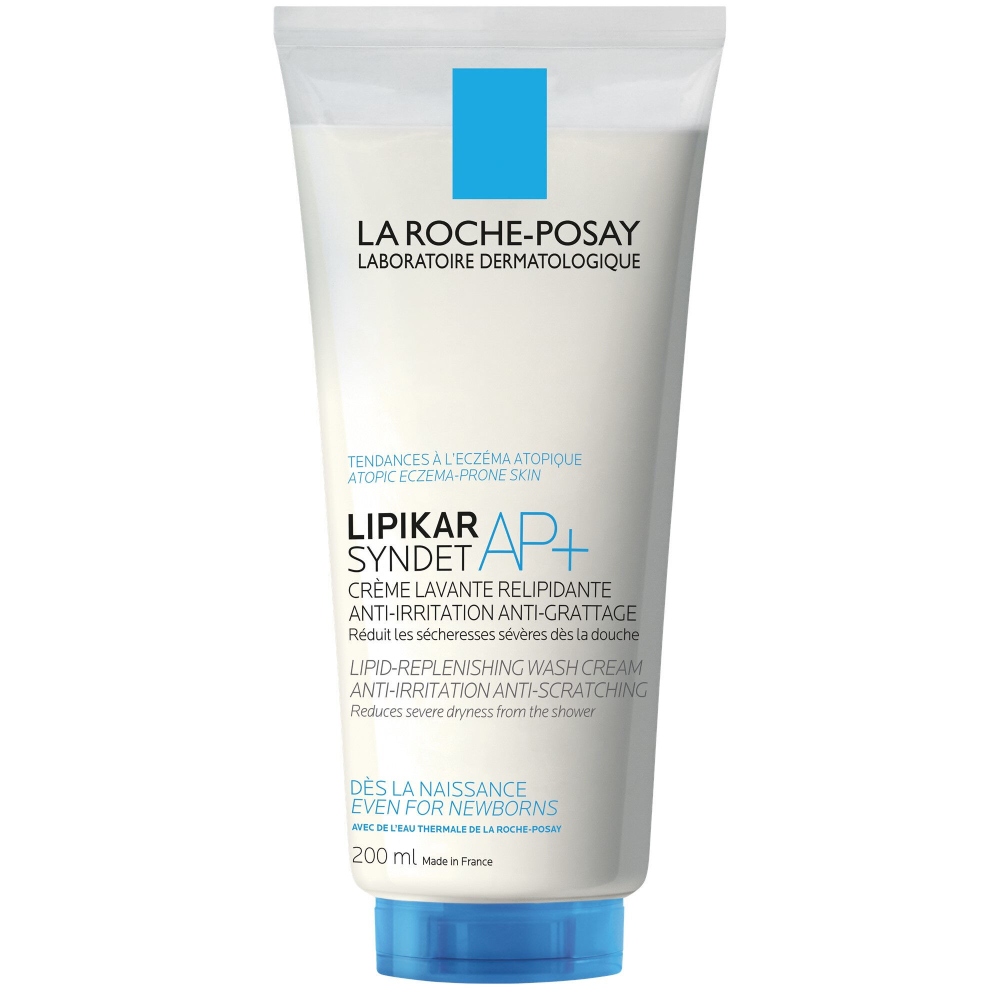
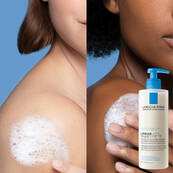
Lipikar Syndet AP+ Cream Wash is a cleansing cream formulated without fragrance. If you have dermatitis, this is a great option to moisturise and comfort the skin. It is suitable for babies, children, and adults who tend to suffer from itchy skin caused by dryness.
This cleansing cream immediately soothes the skin, helping to reduce dryness. Syndet AP+ is suitable for sensitive skin because it is formulated with surfactants that help balance and purify the skin while deeply moisturising it.
The formula includes La Roche Posay Thermal Spring Water, shea butter, and Niacinamide, to help soothe and nourish the skin.
Moisturiser
Lipikar Baume AP+M to instantly soothe dry skin
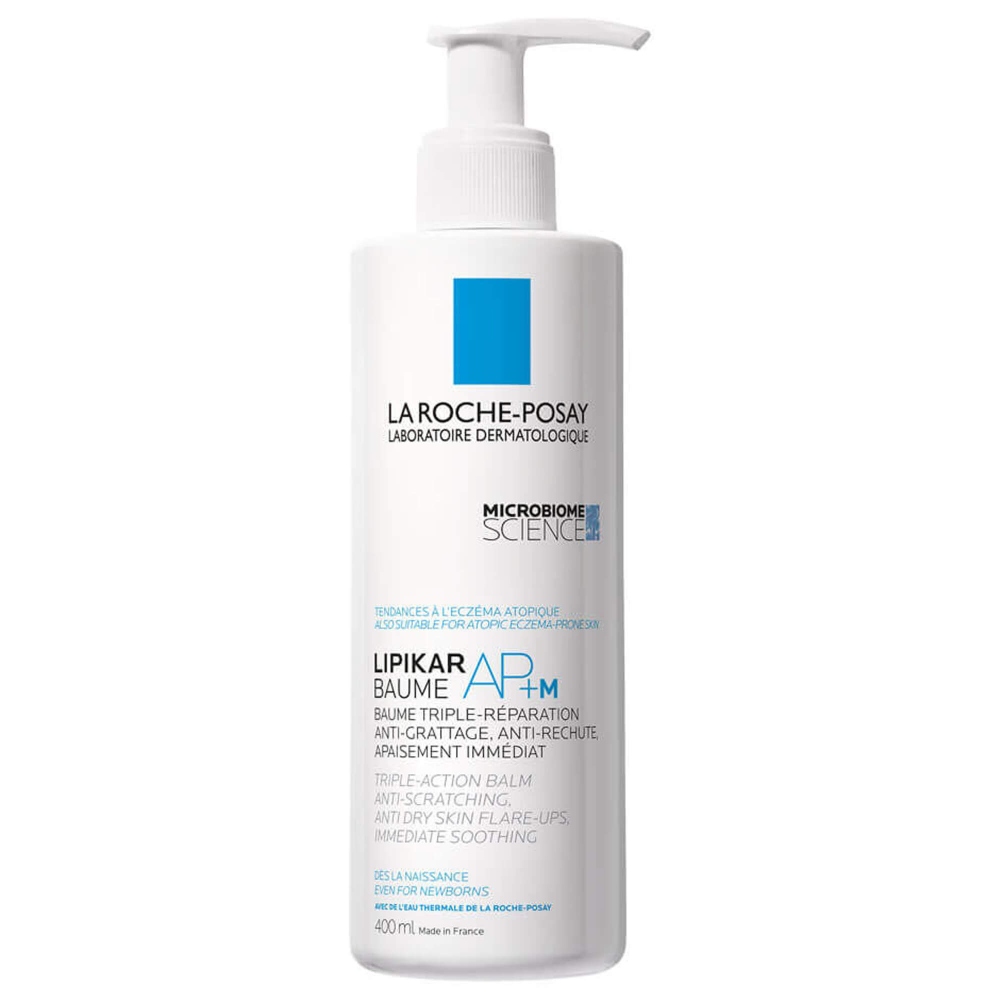
Lipikar Balm AP+M is a soothing moisturiser for dry skin that feels itchy.
This formula is for immediate soothing, anti-scratching, and anti-dry skin flare-ups. It provides up to 48h hydration, so that itching sensations caused by dry skin are reduced for long-lasting comfort, whilst restoring the skin barrier, reducing the frequency of dry skin flare-ups.
This moisturiser suitable for the whole family, including babies from 3 months, and also suitable for use on eczema-prone skin.
"If skin has become dry or eczema flared, finding a gentle, soothing, hydrating cleanser with a rich moisturiser may settle skin down. I recommend Lipikar AP+M Baume by La Roche-Posay as it replenishes the skin’s lipids and contains humectant to attract water to the skin barrier, it is highly tolerable, and reduces irritation. It also contains Aqua Posay Filiformis to re-establish and stabilise the skin’s microbiome." - Dr. Justine Hextall, Consultant Dermatologist
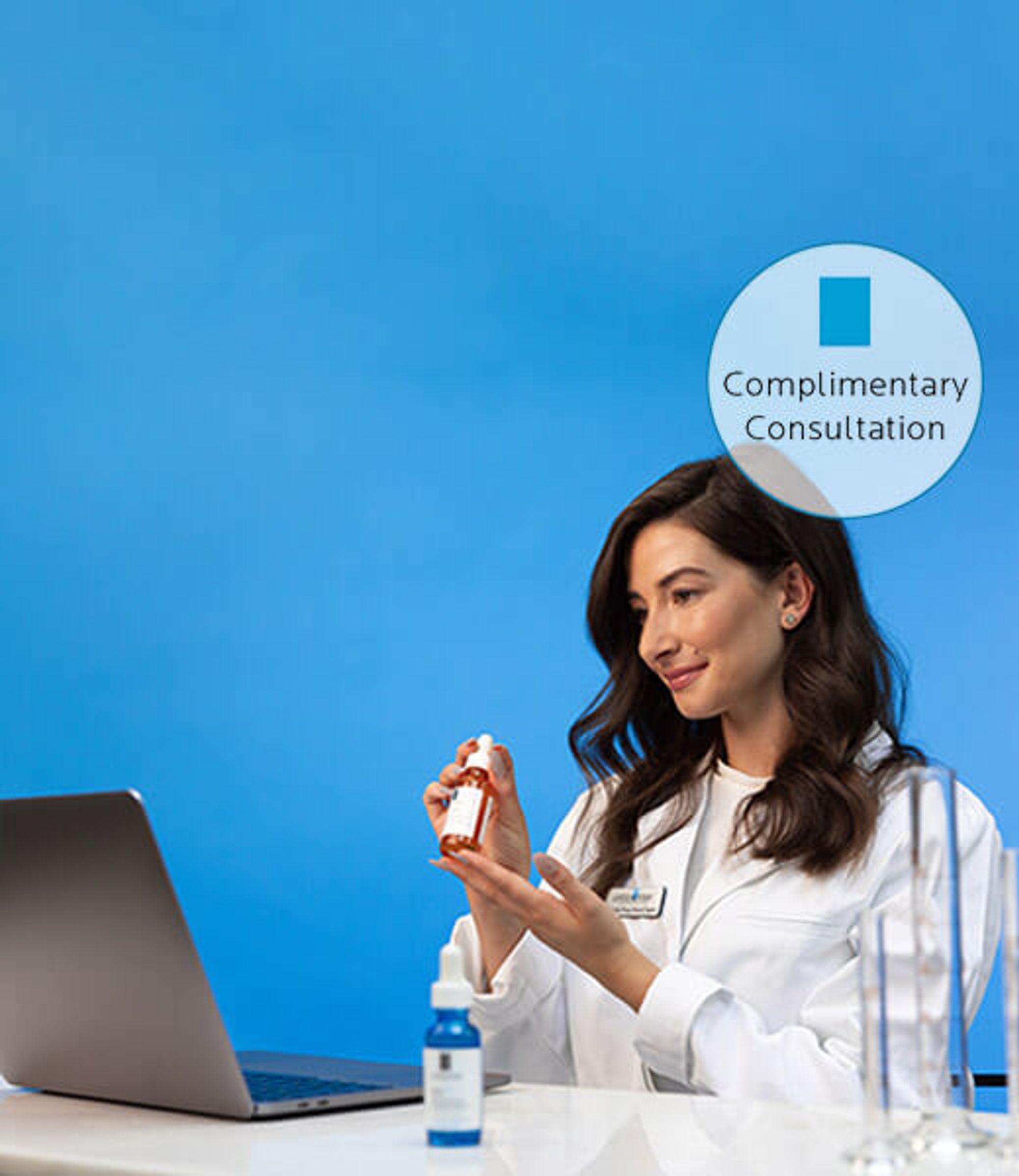

Want to learn more about atopic skin?
Join a free online consultation to speak with a La Roche-Posay Skin Expert
BOOK NOW

On the same topic

Does Retinol Help Wrinkles?
Does Retinol Cause Purging?


