


What this article will cover
Key takeaways
- Retinol purging is a natural process that sometimes happens when skin is first exposed to topical retinol. Purges often cause dry, rough, and uncomfortable skin as well as spots and blackheads.
- Retinol is a well-known skincare ingredient associated with the appearance of firmer, smoother skin. As the skin adjusts to this new ingredient, impurities can be brought to the surface of the skin and imperfections can occur.
- The retinol purge phase is temporary and only located on areas where retinol has been applied. For most, retinol purging will last a maximum of 6 weeks.
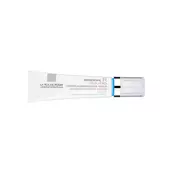
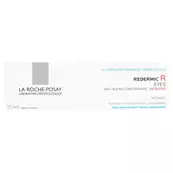
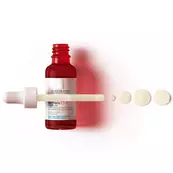
- To mitigate retinol purging, try to apply products 2-3 times a week at first, only apply at night, and use products with a gentle concentration of retinol, like those in La Roche-Posay’s Redermic R range.
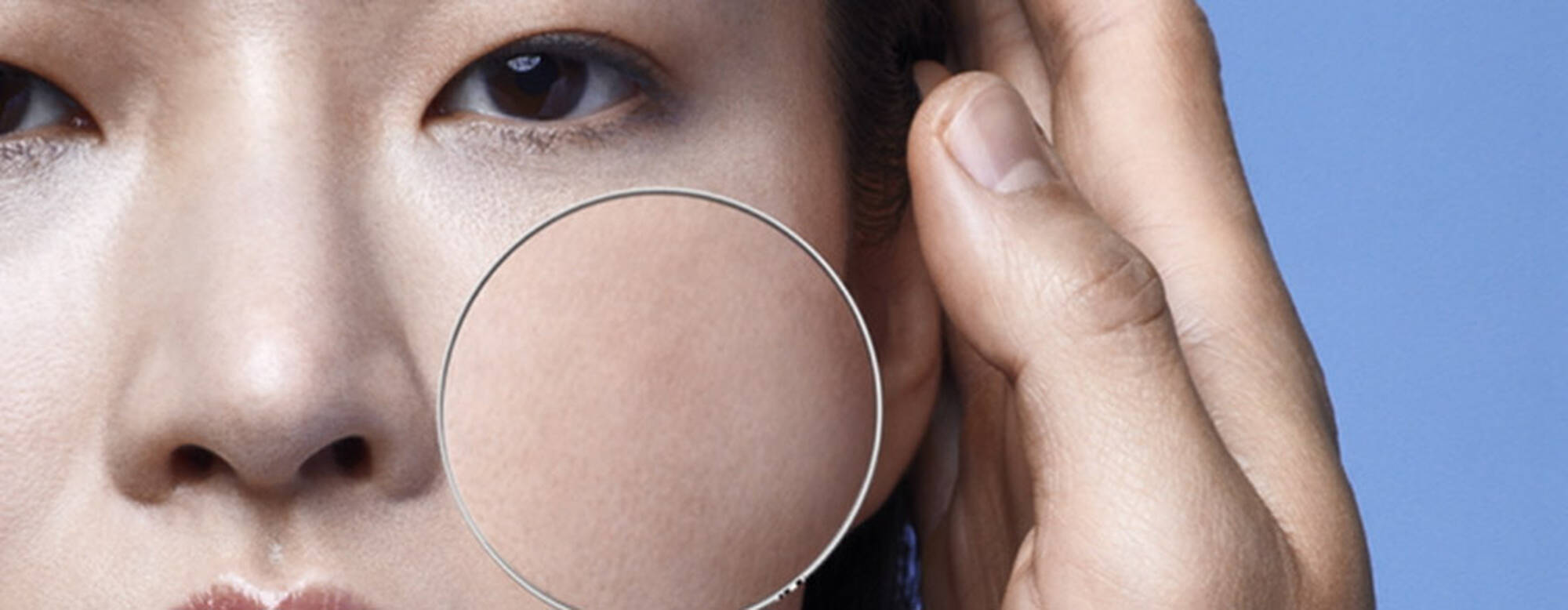
What is a retinol skin purge?
Retinol is a retinoid, a topical form of vitamin A that can be used to target visible signs of ageing like wrinkles, dark spots, and loose skin. Part of what makes retinol such a well-regarded skincare ingredient is its gradual-release action, which is associated with visibly smoother-looking skin and the reduced appearance of fine lines and wrinkles.
However, this adjustment process is actually the cause of the retinol purge phase. As the skin adapts, clogged pores are brought to the skin's surface, and the result is blemishes/imperfections, and very dry skin – commonly called a retinol skin purge.
What are the symptoms of retinol purging?
Symptoms of retinol purging will vary from person to person, with some experiencing purging more than others. Some of the most common symptoms of the retinol purge phase include:
- White and blackheads
- Skin discomfort
- Increased skin sensitivity
- Dryness and peeling skin
- Bumpy skin
It is important to note that while retinol purging might mirror some of the symptoms of a breakout, it is not the same. Breakouts tend to be more widespread and last longer than a retinol purge, with deeper and more painful spots in the affected areas. Additionally, retinol skin purges shouldn't cause swelling or severe discomfort. If you experience this, you may be allergic to something in your chosen product, and it's worth stopping usage and reaching out to your doctor for professional advice.
Retinol purge vs breakout: How to tell the difference
A retinol purge, or any purge from a new skincare product, can look similar to a breakout. So, how can you tell if you're dealing with retinol purging or a breakout?
| Retinol Purging | Breakout | |
|---|---|---|
| What it is | Temporary flare-up as the skin adjusts to retinol | Regular acne caused by clogged pores, hormones, or irritation |
| When it starts | Within 1–4 weeks of starting or increasing retinol | Can happen at any time |
| How long it lasts | Usually 4–8 weeks, then improves | Can continue until the cause is addressed |
| Type of spots | Small whiteheads, blackheads or spots | Painful, under-the-skin blemishes |
| Other symptoms | Dryness, sensitivity | Swelling, pain, redness, sometimes scarring |
How long does retinol purging last?
If you've just started using retinol products and are keen to feel their effects, then the main question on your mind is probably 'how long does retinol purging last' so you can start seeing the benefits for your skin.
The good news is that the retinol purge phase doesn't last forever, and after consistent use and enough time for your skin to get used to the ingredient, you should start to see and feel its effects. For most, it takes around 6 weeks for your skin to get used to retinol, and during this time, symptoms of retinol purging will vary:
- Weeks 1-2: First signs of the retinol purge phase, some dryness and discomfort are likely, spots can start to form.
- Weeks 3-4: Spots continue to form, but old ones are recovering. Skin may feel rough, but dryness and signs of discomfort should be receding.
- Weeks 5-6: Fewer spots are forming, skin is starting to clear, and dryness and discomfort should be completely gone.
- Week 6+: Benefits of retinol start to take hold, and skin should look noticeably better than it was prior to week 1. The retinol purge phase should be over.
How do you avoid a retinol skin purge?
In many cases, retinol purging is an unavoidable part of using the ingredient. However, there are some steps you can take to minimise the effects of the purge and help your skin while it adjusts.
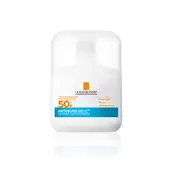
One way to avoid worsening retinol purging is to be more sun-conscious. Retinol makes skin more sensitive to the sun, and with retinol purges causing dry, uncomfortable skin, the last thing your skin needs is sunburn or irritation. Using a broad-spectrum sunscreen like Anthelios UVAIR Daily SPF50+ and reapplying it regularly can protect your skin against sun damage and prevent a retinol purge from looking worse.
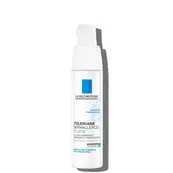
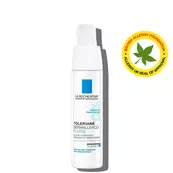
Another way in which you can protect your skin is through moisturising after you use retinol. Using a cream designed for sensitive skin, such as Toleriane Dermallergo Soothing Fluid, can help reduce visible signs of irritation caused by dryness and make retinol purging less noticeable.

While retinol purging can still happen, taking these precautions can help to mitigate its effects and make the bedding-in process more bearable.
Push past the purge with La Roche-Posay's Redermic R range
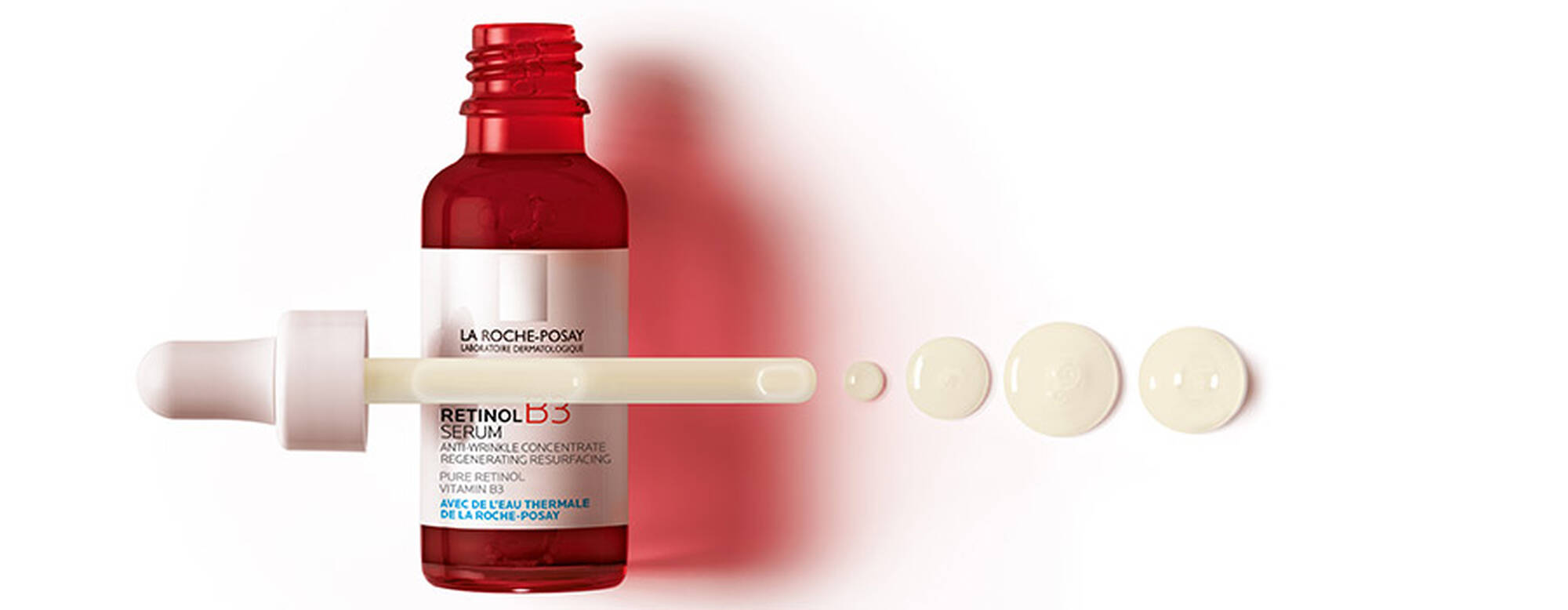
When used consistently, products with retinol can be really effective. With the ability to help skin look and feel firmer, reduce the appearance of wrinkles, and support a more renewed-looking complexion.
The downside of this, of course, is the retinol purge phase – an adjustment phase where impurities rooted in the skin are purged, dryness and signs irritation, blackheads, and more can flare up.
If you're looking to smooth the appearance of wrinkles and help loose skin feel firmer, we recommend pushing past the purge and sticking with retinol long enough to see its effects. La Roche-Posay's Redermic R range is formulated with an effective concentration of retinol that is also suitable for sensitive skin, making it an ideal choice for those using retinol products for the first time.
Browse the full Redermic R range today
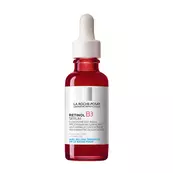
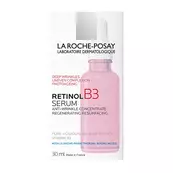
Retinol serums recommended by dermatologists
Recommended retinol creams
And, of course, we recommend the best selection of products that help support your skin through the retinol adjustment period.








Retinol Purge FAQs
Why does retinol cause purging?
One of the benefits of retinol is its gradual-release action, which helps to reduce the appearance of wrinkles and supports a smoother-looking complexion. As part of this adjustment process, clogged pores and other debris trapped in the skin are brought to the surface faster than usual and can cause dryness, irritation and spots to appear – also called retinol purging.
Does retinol cause spots?
At first, retinol can cause spots to appear as part of the retinol purging process. This occurs because the skin is adjusting to the ingredient, which brings impurities within the skin to the surface, causing the appearance of spots and blackheads.
Why is retinol making me break out?
Though the retinol purge may look like a breakout, it's actually quite different. Unlike breakouts, retinol purges bring impurities and clogged pores to the skin's surface in an attempt to rid the skin of them. While this can cause some dryness and signs of irritation in the short term, retinol purging does not last forever and will clear up on its own once your skin is used to the ingredient.
How long is the retinol purge phase?
For most people, the retinol purge phase lasts up to 6 weeks. During this time, symptoms can change, and the positive effects of retinol may not be apparent. After this, retinol's anti-ageing effects should take hold and the dryness, signs of irritation, and breakouts will subside.
What helps retinol purging?
If you're experiencing retinol purging, the following steps could help limit its effects:
- Only using retinol products 2-3 times per week.
- Applying retinol at night.
- Using and reapplying sunscreen regularly throughout the day.
- Using products with a lower concentration of retinol.


