


Retinol and wrinkles: Key takeaways (TL;DR)
- Retinol is a derivative of vitamin A. It is used in topical skincare products to help reduce the visible signs of ageing, including wrinkles.
- In skincare, retinol is used to neutralise free radicals, unstable molecules that deplete collagen stores and contribute to wrinkles.
- La Roche-Posay’s Redermic range contains retinol serums, creams, and eye creams. These products can be used as effective anti-wrinkle creams and are suitable for use on sensitive skin.
- What is retinol?
- How do retinol and wrinkles interact?
- How to work retinol into your skincare routine
- The best retinol products for wrinkles
- Retinol and wrinkles FAQs
What is retinol?
Retinol is a retinoid, a type of vitamin A derivative that is used to help reduce the visible signs of ageing. Retinoids come in several forms and are available as topical treatments in creams or serums, and as prescription-strength oral medication.
Though retinol and wrinkles are often linked, retinoids can also help to:
- Reduce the effects of sun damage
- Smooth out fine lines on the skin
- Reduce hyperpigmentation
Retinol is one of the best-known ingredients in anti-ageing skincare. From serums to gels, moisturisers to cleansers, retinol can be found in a huge variety of skincare products designed to reduce signs of ageing and smooth wrinkled skin.
If you're new to anti-ageing skincare, then you may be wondering why retinol and wrinkles seem to be linked so strongly, and whether this ingredient really is as potent as it seems. In this article, we will delve into what retinol is, looking at where it comes from and how it affects the skin, before answering the key question: does retinol get rid of wrinkles?
How do retinol and wrinkles interact?
So, does retinol help wrinkles and, if so, how?
The main function of retinol is to reduce the damage caused by free radicals in skin cells. Free radicals are unstable molecules within cells that can damage their natural function. In skin cells, this often leads to damaged collagen. By neutralising free radicals, retinol helps to preserve our collagen stores.
The benefits of retinol do not stop there. In addition to preserving existing collagen, retinol can promote new collagen production, a process that can help to smooth out existing wrinkles. Retinol also helps increase cell turnover in the skin, boosting our natural production of hyaluronic acid, which has hydrating effects for the skin.
Continuous use of retinol products is essential to maximise the results and start seeing its benefits.
How to work retinol into your skincare routine

If you want to test the impact of retinol for yourself, it's easy to incorporate into your skincare routine. However, as retinol is a strong active ingredient, it's best to start slow and increase usage as your skin builds up tolerance. Start with a lower percentage retinol product and use it once a week to begin with, gradually increasing to bi-nightly until your skin is able to tolerate it every day.
Only use retinol in the evenings. Make sure you always apply an SPF sunscreen the following morning, as retinol can make skin more sensitive to the sun.
Choosing the best retinol for wrinkles depends on your skin type and concerns. Below are some of our top product picks for incorporating retinol into your routine.
The best retinol products for wrinkles
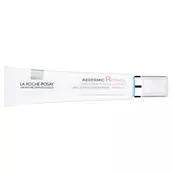
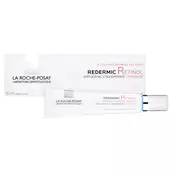


The best retinol cream for wrinkles
The best retinol creams for wrinkles target visible signs of ageing and contain other ingredients that work in tandem with retinol to supplement its effects.
La Roche-Posay’s award-winning Redermic R Anti-Wrinkle Retinol Night Cream is specifically formulated to combat a comprehensive range of ageing signs, including deep wrinkles, uneven skin tone, crow’s feet, and dark spots, as well as forehead and lip lines. Enriched with 0.3% Retinol to help stimulate collagen and elastin for firmer, smoother skin, the formula features a synergistic Retinol Booster Complex (Retinol Linoleate and Adenosine) to enhance overall efficacy.
Designed to be suitable for even the most sensitive skin, this minimalist, hypoallergenic formula contains no preservatives, fragrance, parabens, colorants, or lanolin. It is non-comedogenic and backed by rigorous testing, consistent with why 9 out of 10 dermatologists recommend La Roche-Posay.*
For a retinol and wrinkle cream that can easily be added to a nighttime skincare routine, we recommend using Redermic R.
*Survey conducted on 267 dermatologists by La Roche-Posay in the UK, July 2019.

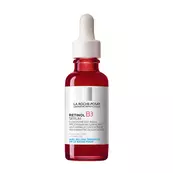
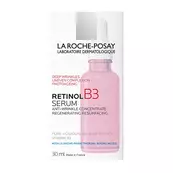
The best retinol serum for wrinkles
Retinol serums tend to offer a more concentrated, targeted dose of retinol. They can be used alongside retinol creams, but be mindful if you have sensitive skin. We recommend you start using any retinol serum alone at first.
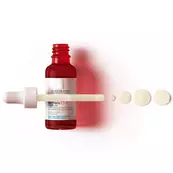
For a retinol serum that pairs perfectly with Redermic R Night Cream, we recommend using our 0.3% Retinol + Vitamin B3 Serum. Using a combination of retinol, vitamin B3, and glycerin, our Retinol Serum targets fine lines and wrinkles while also soothing and hydrating ageing skin. Apply 3 drops of the serum to clean skin before applying your moisturiser.


The best retinol for wrinkles around the eyes
Does retinol help wrinkles around the eyes? The answer is yes, especially if the formula is gentle and designed for the sensitive skin around the eye area.
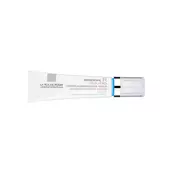
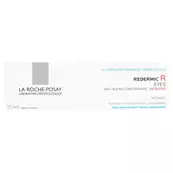
For targeted anti-ageing care around the delicate eye area, we recommend using our Redermic Retinol Eye Cream For Sensitive Skin. This clinically proven formula uses a combination of 0.1% Pure Retinol, 0.1% Retinol Linoleate (our exclusive booster complex), and 0.2% Caffeine to intensively smooth and sculpt the eye contour for a luminous, refreshed look. Specifically developed for sensitive skin, this minimalist hypoallergenic formula reduces the appearance of deep wrinkles, puffiness, and dark circles while restoring firmness. Fragrance-free and preservative-free, it has been rigorously tested under ophthalmological control to ensure it is suitable for even the most sensitive eyes and contact-lens wearers.
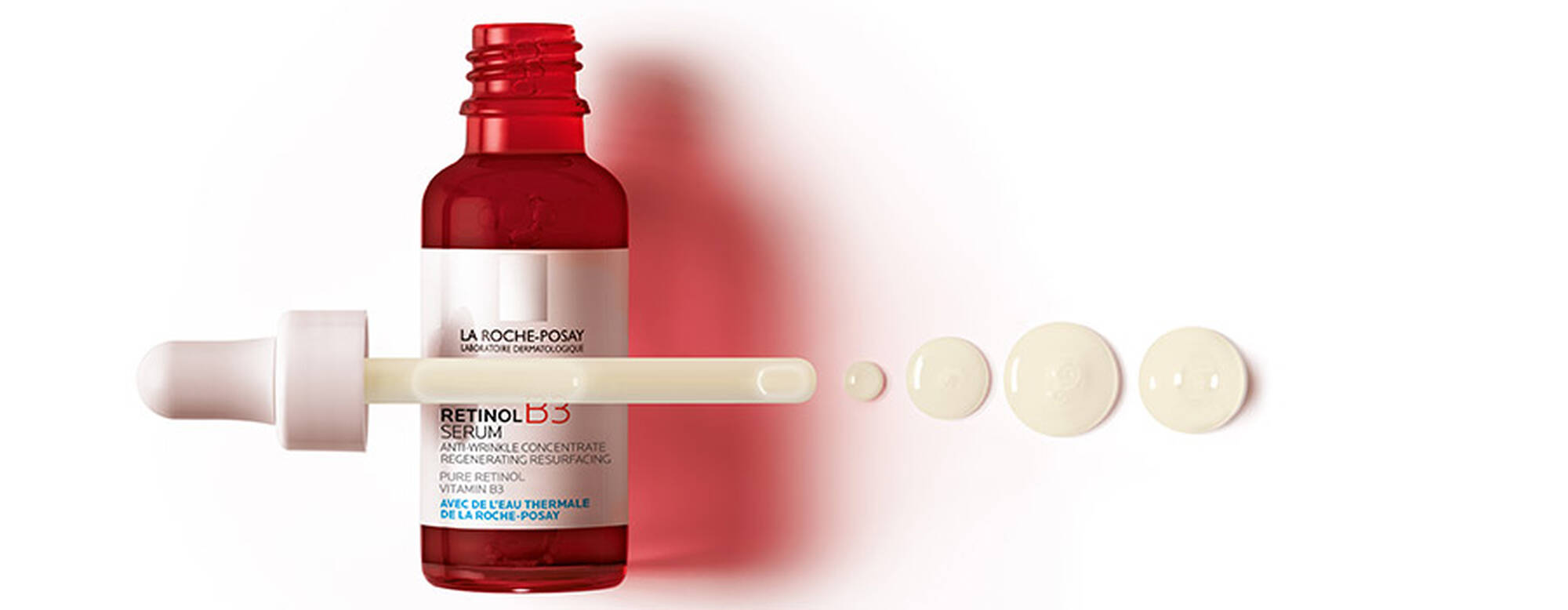
If you are looking for an anti-ageing cream or serum that effectively targets wrinkles, then a retinol cream may be the best option for you. Retinol can stimulate the production of collagen and help to firm loose skin and smooth wrinkles, making it the ideal ingredient for an anti-wrinkle skincare routine.
For the best retinol creams for wrinkles available from La Roche-Posay, browse our full range of retinol skincare products.
Retinol and wrinkles FAQs
Featured Products
On the same topic

Does Retinol Help Wrinkles?
Does Retinol Cause Purging?


