Melanin and skin key takeaways
- Melanin is a natural pigment that gives your skin its colour and protects it from UV damage and premature ageing.
- Increased melanin can lead to areas of darkened skin known as hyperpigmentation, while melanin deficiency can lead to patches of lighter skin.
- Some types of hyperpigmentation can be managed with skincare containing ingredients such as Melasyl™, niacinamide, retinol and LHA, alongside daily SPF.
Melanin plays a key role in the appearance and health of your skin. It’s the pigment that gives your skin its colour, helps protect it from UV damage and influences how your skin responds to the sun. When melanin production becomes imbalanced, it can lead to areas of darker or lighter skin and contribute to an uneven complexion.
Read on to discover:
- What melanin is and what it does
- Types of melanin
- What happens if you have a melanin imbalance
- How to manage excess melanin in the skin
What is melanin and what does it do?
Melanin is a natural pigment that helps determine the colour of your skin, hair and eyes. As well as influencing pigmentation, melanin also plays an important role in protecting skin from UV damage and premature signs of ageing. When the skin is exposed to UV radiation, melanin absorbs and disperses harmful rays before they penetrate deeper layers, contributing to the skin’s resilience.
Melanin is produced by specialised cells called melanocytes via a process called melanogenesis. In the skin, melanocytes sit in the basal layer of the epidermis. Once formed, melanin is distributed to surrounding cells, where it helps determine overall skin colour.
While everyone has a similar number of melanocytes, factors such as genetics, hormones, inflammation and sun exposure influence how much melanin is produced and how evenly it is distributed across the skin.
Where is melanin produced?
Melanin is produced in melanocytes, which are located in different areas of your body, including:
- Skin
- Hair
- Pupils and irises
- Parts of the inner ear
- Certain areas of the brain
- Parts of the adrenal gland

What are the types of melanin?
There are two main types of melanin found in the skin: eumelanin and pheomelanin. Each has a different colour and function, and the ratio between these two types of pigment is what determines your natural skin, hair and eye colour.
Eumelanin
Eumelanin is the pigment responsible for brown and black tones. It provides greater natural protection against UV radiation, absorbing and dispersing UV rays more effectively. Higher levels of eumelanin are typically associated with darker hair, eyes, and skin.
Pheomelanin
Pheomelanin produces yellow-to-red tones and is most concentrated in people with red hair. Pheomelanin offers less natural UV protection than eumelanin, which is why these skin and hair types are often more sensitive to the sun.
What happens if you have a melanin imbalance?
Melanin levels vary naturally from person to person, but certain factors can cause the skin to produce too much or too little of this pigment. Here’s what happens when melanin levels increase or decrease.
Increased melanin
When the skin produces excess melanin, usually as a result of sun exposure, hormonal changes or skin inflammation, it can lead to areas of darkened skin known as hyperpigmentation. This may appear in different forms, including:
- Melasma: Patches of darker skin, usually on the face, and often triggered by hormonal changes and sun exposure.
- Dark spots: Also called age spots or sun spots, commonly caused by UV exposure.
- Post-acne marks: Areas of increased pigmentation that can remain after blemishes.
These forms of pigmentation are generally harmless but can affect the overall evenness of your complexion.
Melanin deficiency
Melanin deficiency involves losing melanin in the skin, which can lead to patches of lighter skin. This may occur due to:
- Vitiligo: A condition in which melanocytes stop functioning, causing well-defined areas of pigment loss.
- Pigment loss after skin damage: Following burns, irritation or inflammation, the skin may temporarily or permanently lose melanin.
- Albinism: A rare genetic condition that significantly reduces or prevents melanin production in the skin, hair and eyes.
Melanin deficiency does not affect skin health in itself, but areas with reduced pigment are more sensitive to UV radiation and may require additional protection.
Mela B3 is a cosmetic range for the management of the appearance of hyperpigmentation. For medical conditions such as Vitiligo or Albinism, please consult a medical professional.
Note: The information above is a general description of how melanin is understood to work in the skin. The cosmetic benefits of La Roche-Posay products are limited to visible and sensory improvements to the skin's appearance
How to manage excess melanin in the skin
If you’re experiencing areas of hyperpigmentation, some types can be managed at home with a targeted skincare routine.
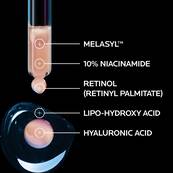
Ingredients that can help even tone appearance include:
- Melasyl™
- Niacinamide
- Retinol
- LHA
- Vitamin C
- Azelaic acid
- Alpha hydroxy acids (AHAs)
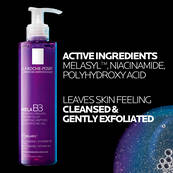
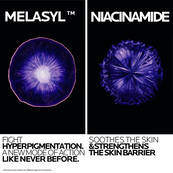
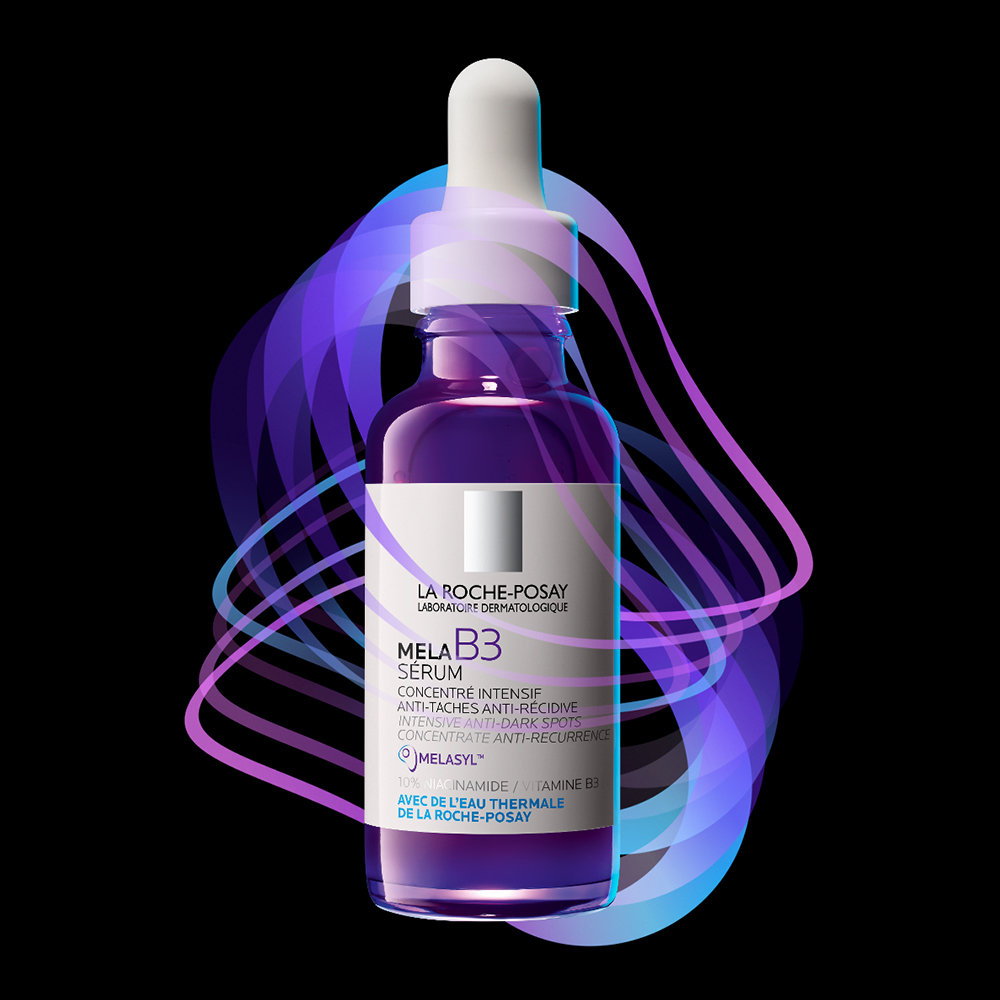
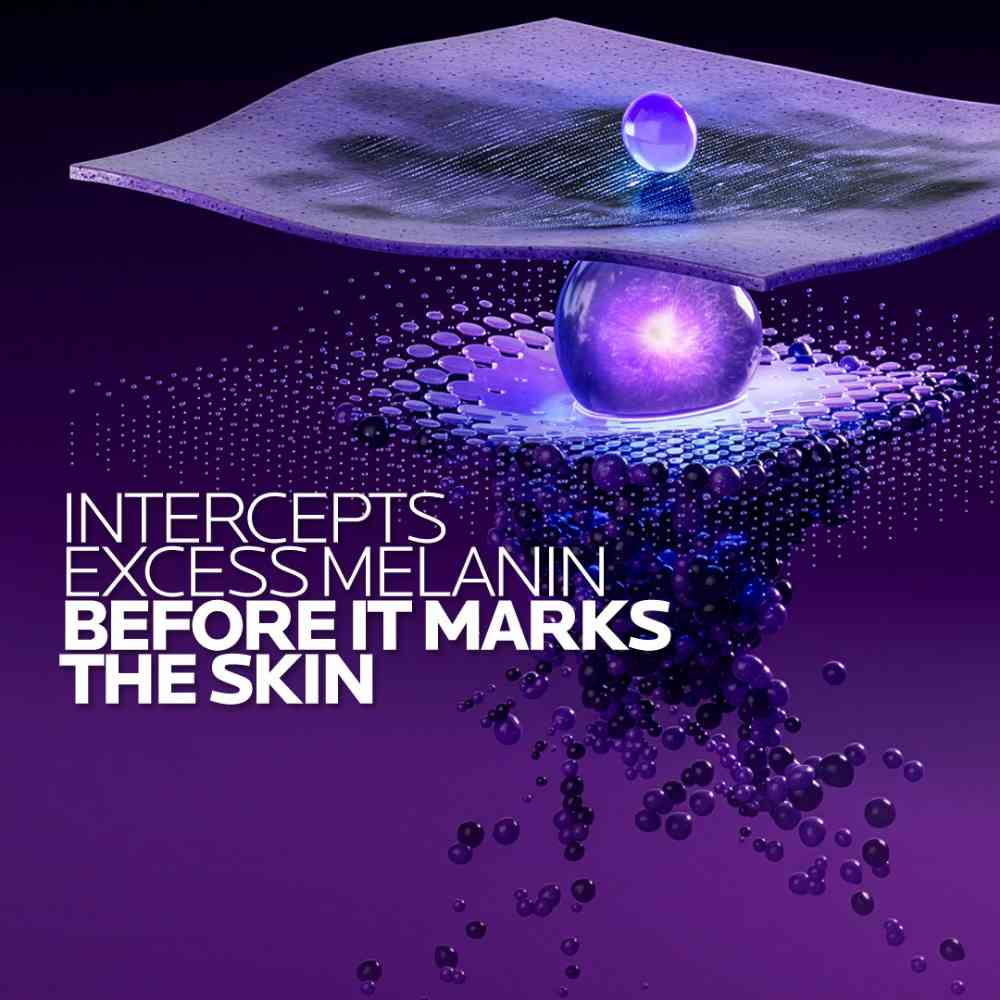
La Roche Posay’s Mela B3 range combines the ingredient Melasyl™ –an ingredient which intercepts excess melanin before it marks the skin – with niacinamide. They work in synergy with the formula to target the appearance of hyperpigmentation and dark spots.
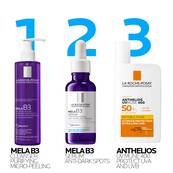
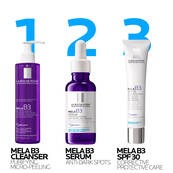
Below is a simple step-by-step routine to target dark spots and hyperpigmentation.
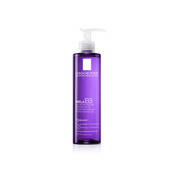
- Cleanse: Start with Mela B3 Cleanser for Dark Spots to gently cleanse and exfoliate while supporting the skin barrier function.
- Serum: Apply Mela B3 Intense Anti-Dark Spot Serum to target the appearance of dark spots, post-acne marks and coloured pigmentation marks.
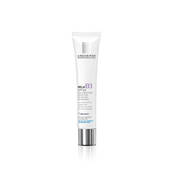
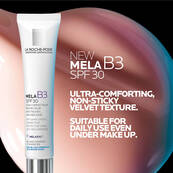
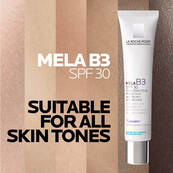
- Moisturise: Use Mela B3 SPF30 Moisturiser for Dark Spots to support hydration and skin barrier function.
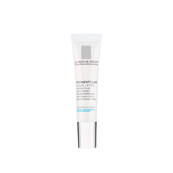
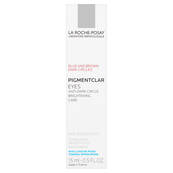
- Eye cream: Apply Pigmentclar Eyes to target blue and brown dark undereye circles.
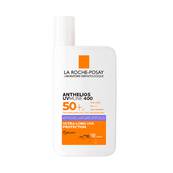
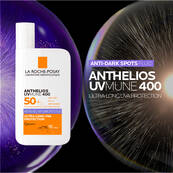
- SPF: Always finish with a face SPF product. Anthelios Anti-Dark Spots Facial SPF50+ Fluid is especially formulated to target hyperpigmentation.
If you are concerned or experiencing excessive dark spots, rapidly changing pigmentation or raised areas, please seek medical advice.
Shop skincare for dark spots and hyperpigmentation


Explore our products for dark spots & hyperpigmentation and discover a comprehensive selection of scientifically proven formulas designed to restore your skin's natural radiance and achieve a more even complexion. Trust our expert formulas to target hyperpigmentation and unveil a brighter, revitalised look.
Melanin and skin FAQs
Related Products